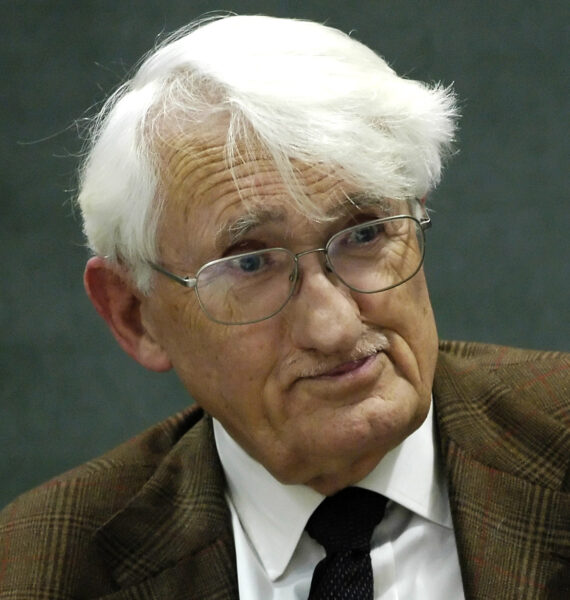
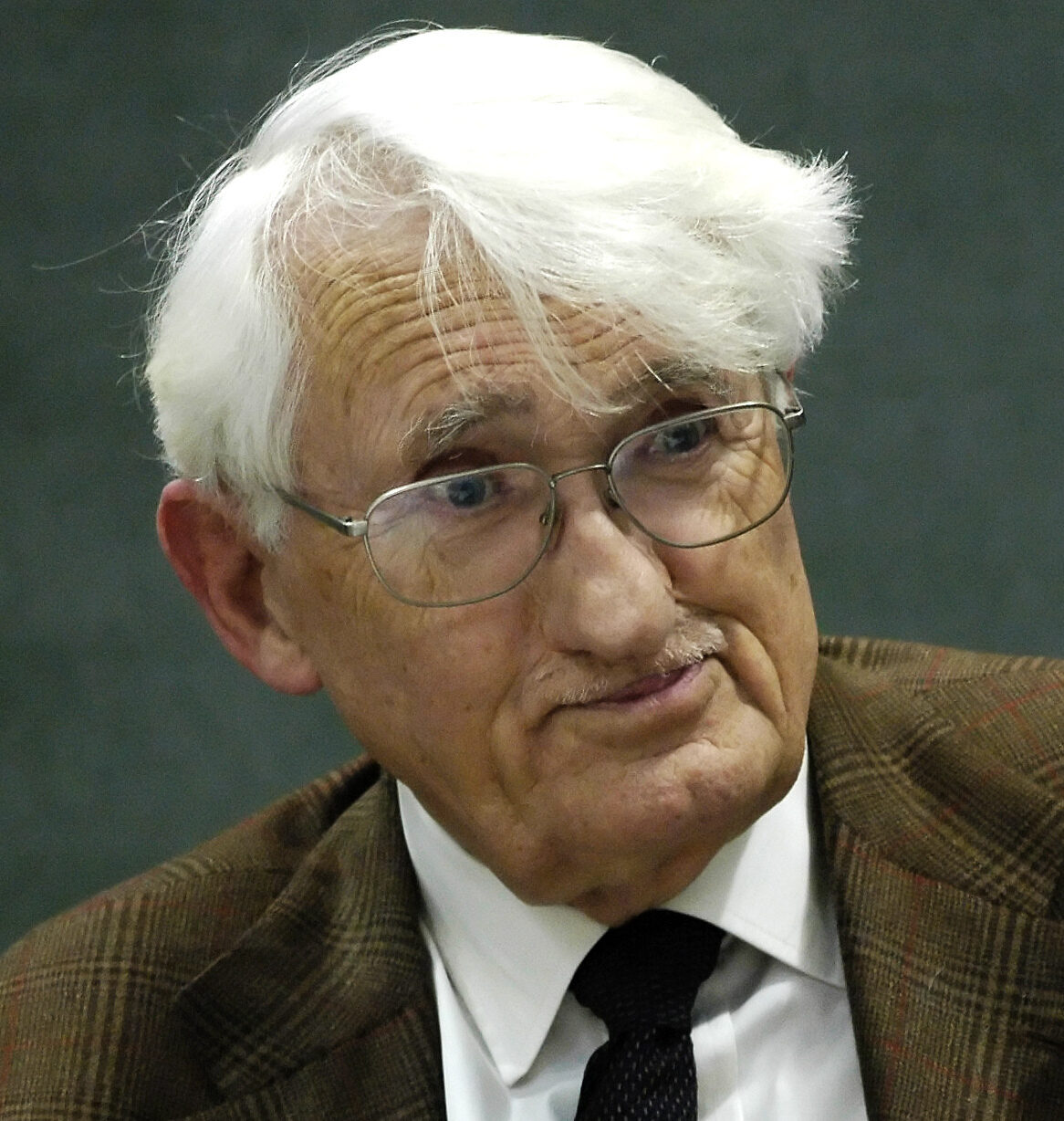
With Jürgen Habermas’s death, one of the last intellectual giants of the twentieth century has left us. It will be hard to think of Germany and Europe without his voice and his prose. [Continue reading here]
Featured
2 posts

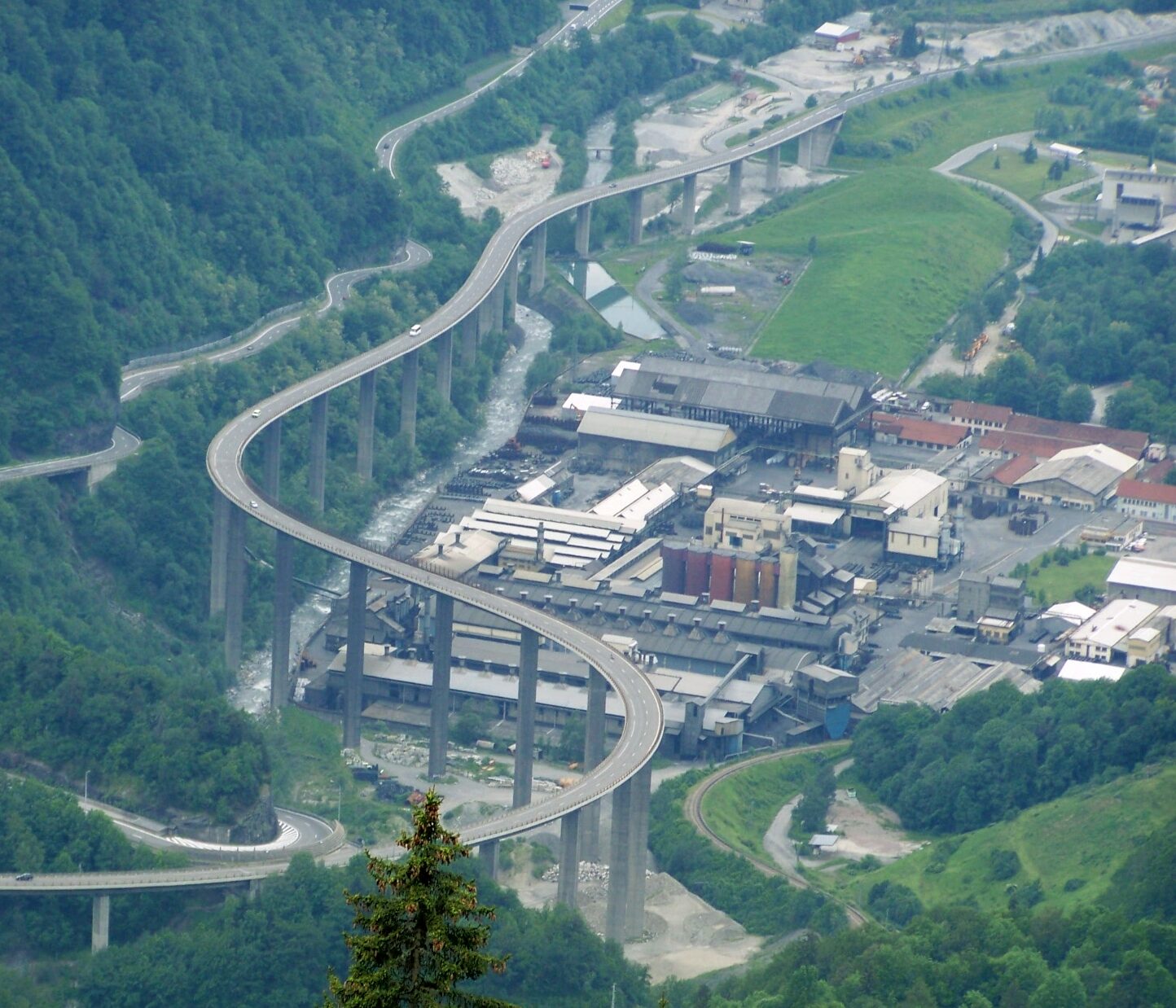
The philosophical method that Simone Weil pioneered—constantly confronting critique and praxis—can serve as a model, an exemplar, what we might call her “immersive philosophical praxis.” Troubled by the living conditions of factory workers, Weil requested a leave of absence from teaching and went to work as a factory worker at three different factories in Paris, including a Renault plant, for almost six months in 1934-1935. From that experience, Weil observed first hand how cooperation could infuse the modern factory. Reading Simone Weil’s “Factory Journal” brought back to mind my own experience in the factory. I have never written about or spoken about these memories publicly; but reading Weil’s journal from her time working in the Alsthom and Renault factories in 1934-35 reminded me of the time that I spent working in a graphite factory in Chedde, France during the summer of 1981. I had gone there expecting to have a political experience, but I came away from it as a human experience [continue reading here…].